

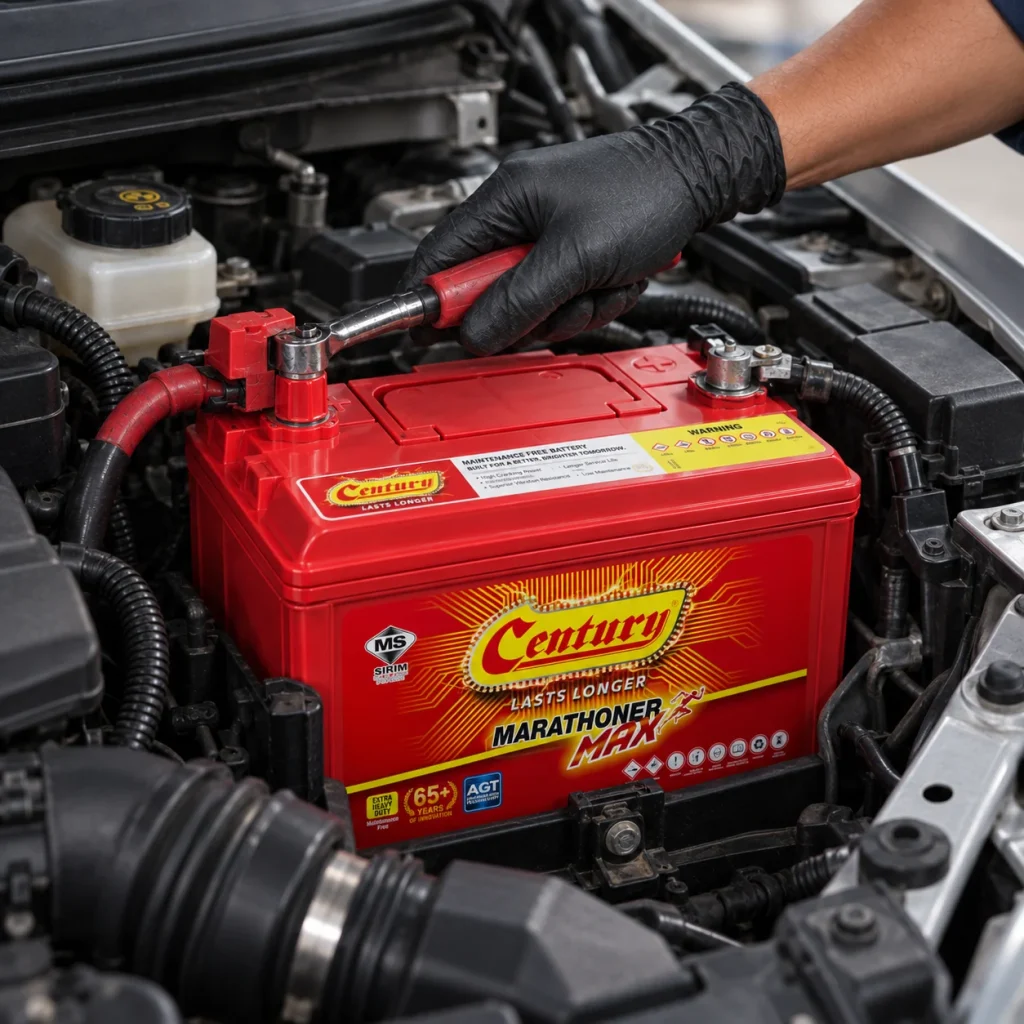
Choosing the right battery for your vehicle in Malaysia isn’t always straightforward. With so many options on the market today, it’s easy to feel overwhelmed. One of the biggest decisions many car owners face is whether to go with a sealed maintenance free battery or stick with a more conventional battery type. In this post, we’ll explore the differences between the two, look at real-world factors in Malaysia’s climate and driving conditions, and help you determine which battery makes the most sense for your situation.
What Is A Sealed Maintenance Free Battery?
When we talk about a sealed maintenance free battery, we’re referring to a type of lead-acid battery (often a VRLA – Valve Regulated Lead Acid) that is designed so you do not need to add water or inspect electrolyte levels during its useful life. These batteries are broadly marketed as “maintenance-free” because their sealed construction means electrolyte loss is minimal, and the design uses lead-calcium or other alloy grids to reduce evaporation and gassing.
By contrast, in a conventional flooded or vented lead-acid battery you may periodically check electrolyte levels, top up distilled water, and monitor for corrosion or acid spillage.
Advantages of sealed maintenance free batteries include less frequent inspection, no topping up of water, and improved resistance to vibration or positioning (in some designs). On the flip side, they usually come at a higher cost, and their “sealed” label doesn’t mean they require zero maintenance: you still should monitor terminals, clean corrosion, and ensure charging systems are working properly.
What Is A Conventional Battery?
A “conventional battery” in this context refers to the traditional lead-acid battery type, often flooded cell or with removable caps. These batteries have a vented design and require periodic user or technician maintenance: checking electrolyte levels, topping distilled water, ensuring the caps are tight, cleaning terminals, and monitoring for acid spillage or corrosion.
Because the electrolyte is free-flowing, these batteries are more susceptible to issues like evaporation, gassing and sulfation if maintenance is neglected. On the plus side, they generally come at a lower upfront cost and the technology is well-proven, making them familiar and widely available in Malaysia.
Side-by-Side Comparison Table
Feature | Sealed Maintenance Free Battery | Conventional Battery |
Water/Electrolyte topping up | Not required during normal life cycle | Required at regular intervals |
Sealed/vented design | Sealed or valve-regulated for minimal fumes | Vented, releases gases during charging/discharge |
Maintenance required | Low – check terminals, charging system | Higher – water top-up, monitor caps, more inspections |
Up-front cost | Generally higher cost | Lower cost |
Suitability for Malaysian climate (heat/humidity) | Better sealed against evaporation, more vibration resistant | More vulnerable to electrolyte loss, evaporation, corrosion in hot/humid climates |
Lifespan (with proper use) | Potentially longer life if charged correctly | Fair lifespan, but more dependent on user maintenance |
Risk of improper charging | More sensitive to overcharging | Less expensive to replace if neglected |
Which One Should You Choose For Malaysia?
Consider Your Driving Habits and Conditions
If you drive mostly in urban traffic, short trips, frequent stop-starts, or your car sits idle for periods, a sealed maintenance free battery may be advantageous. The sealed design handles vibration better, is less likely to suffer from evaporation in our hot and humid Malaysian conditions, and requires less hands-on maintenance, ideal if you prefer low-hassle ownership.
On the other hand, if you drive long distances, have a well-maintained vehicle, and don’t mind performing periodic checks, a conventional battery may offer good value. But you must commit to inspecting water levels, terminals and charging system regularly, especially in Malaysia’s demanding environment.
Budget and Life-Cost Perspective
While sealed maintenance free batteries cost more upfront, if they last longer and avoid frequent failures in tough conditions, they may redeem themselves in long-term value. Conventional batteries are cheaper initially but may require earlier replacement if maintenance is skipped.
Maintenance Realities
Even “maintenance-free” doesn’t mean “maintenance-never.” You still need to keep terminals clean, ensure the charging system is healthy, and inspect the battery at intervals. Conventional batteries demand more active care – topping up distilled water, monitoring for corrosion, ensuring caps are sealed, and checking electrolyte levels.
Local Availability & Environment
In Malaysia, local garages and replacement centres are well-versed in both types. However, because of the heat, humidity and traffic conditions, sealed maintenance free batteries often hold an edge in resilience and longevity, but only if you follow proper charging and usage practices.
Our Recommendation
We at Century Battery recommend choosing a sealed maintenance free battery if you value convenience, minimal maintenance, and durability in Malaysian conditions, assuming your budget allows and you will follow proper charging practices.
If you’re on a tighter budget, comfortable with periodic inspections, and willing to maintain the battery proactively, then a conventional battery remains a viable and cost-effective option. Either way, pick a reputable brand, ensure the battery matches your vehicle’s cold cranking amp (CCA) and reserve capacity requirements, and pair it with a healthy charging system.
Final Thoughts
In summary, the decision between a sealed maintenance free battery and a conventional battery comes down to your priorities: ease of ownership versus upfront cost, how much maintenance you’re prepared to do, and how you use your vehicle in Malaysian driving conditions. Both types can work well, provided you treat them with respect and service them appropriately.
When you make a considered choice, you’ll enjoy reliable starts, better everyday performance, and fewer surprises down the road.